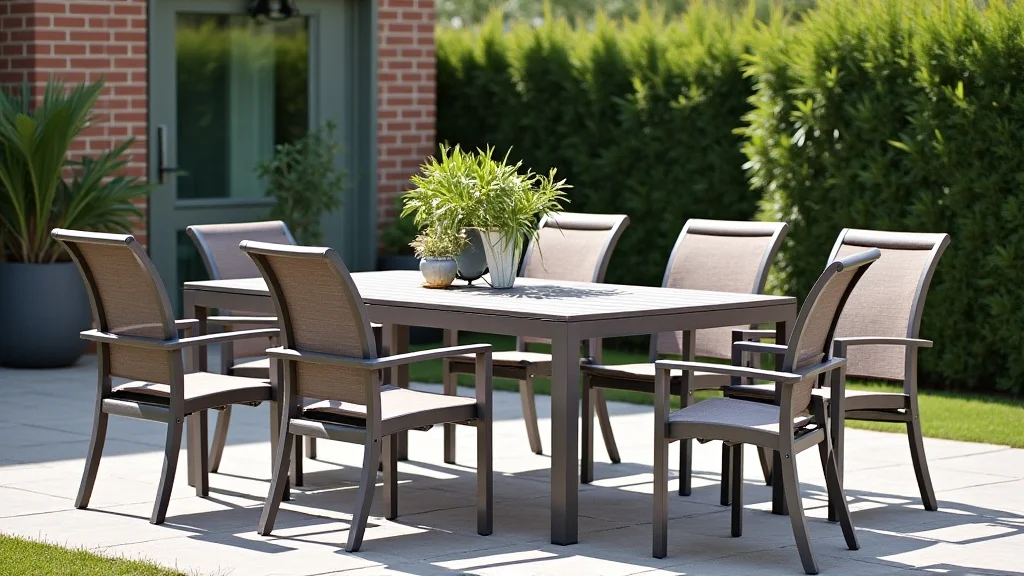
Picture this: a warm evening, a gentle breeze, and the delicious aroma of grilled food wafting through the air. You’re surrounded by friends and family, laughing and sharing stories around a comfortable table. This idyllic scene starts with the right outdoor table and chairs for 4. Choosing the perfect set can transform your patio into a welcoming oasis. This guide will help you select the ideal setup, from understanding different materials to ensuring the perfect fit for your space. You’ll gain practical advice to make informed decisions and create a beautiful outdoor dining area, improving your outdoor living experience and saving you time and money.
Key Takeaways
- Learn the key considerations for choosing the right materials for outdoor furniture.
- Discover how to measure and assess your outdoor space to ensure the perfect fit for your setup.
- Explore different design styles and how they can complement your home and personal preferences.
- Understand the importance of comfort and how to choose chairs that are both stylish and supportive.
- Gain insights on maintaining and caring for your outdoor table and chairs for 4 to extend their lifespan.
- Find out how to accessorize your outdoor dining area to create a welcoming and functional space.
Choosing the Right Materials for Outdoor Furniture
The materials used in your outdoor table and chairs for 4 significantly affect their durability, aesthetics, and maintenance requirements. Selecting the right material is vital, as it will determine how well your furniture withstands the elements. From the scorching sun to heavy rain and fluctuating temperatures, outdoor furniture needs to be resilient. Consider your climate and the amount of maintenance you are willing to do when making your decision.
Understanding Wood Options
Wood is a classic choice for outdoor furniture, bringing warmth and natural beauty to any space. However, not all wood types are created equal. Some woods are naturally more resistant to weathering, insects, and decay than others. You should also consider the environmental impact of your choice, looking for sustainably sourced options. Choosing the right wood is a balancing act of aesthetics, longevity, and sustainability.
- Teak: Teak is highly regarded for its durability and natural oils, which make it resistant to water, rot, and insects. It is a premium option, offering a luxurious feel and a beautiful, weathered appearance over time. However, teak requires periodic cleaning and maintenance to preserve its initial golden color.
- Cedar: Cedar is another popular choice, known for its natural resistance to decay and insects. It has a beautiful grain and a distinct aroma. It’s often more affordable than teak. Different types of cedar, like Western Red Cedar, have varying levels of natural oil content, which affects their longevity.
- Eucalyptus: Eucalyptus is a durable and sustainable option. It is a fast-growing tree, making it an eco-friendly choice. It is also naturally resistant to water and insects. Eucalyptus furniture often has a rich, reddish-brown color that can enhance your outdoor decor.
Teak’s natural oil content is the key to its weather resistance. This oil acts as a barrier against moisture, preventing it from penetrating the wood and causing damage. Teak also contains silica, which contributes to its strength and resistance to wear and tear. This makes it an excellent choice for outdoor furniture, particularly in environments with fluctuating weather. Because of its qualities, teak is often a pricier option, and selecting sustainably sourced teak is a key factor.
Cedar’s aromatic oils not only provide a pleasant scent but also act as a natural insect repellent. This makes cedar furniture a great option for areas prone to pests. It is also naturally resistant to moisture, making it suitable for outdoor use. Although cedar is more budget-friendly than teak, it still requires regular maintenance. Applying a protective sealant can help preserve its color and prevent weathering.
Eucalyptus’s natural oils provide water resistance and help protect against insect infestations. The wood’s density also contributes to its durability, making it suitable for outdoor use. With proper care, eucalyptus furniture can last for many years. Regular cleaning and occasional oiling are recommended to maintain its appearance and protect against weathering. Furthermore, it’s often more cost-effective than teak.
Exploring Metal Choices
Metal offers sleek and modern aesthetics, as well as exceptional durability and low maintenance. Metal options are perfect if you want to create a contemporary look. The choice of metal will affect how well the furniture endures the elements, its weight, and its aesthetic appeal. Consider what type of metal works best for your needs and how it aligns with your overall design vision. The strength and lifespan of each metal type varies, making it an essential factor to analyze when selecting your set.
- Aluminum: Aluminum is a popular choice for outdoor furniture due to its lightweight and rust-resistant properties. It is ideal for those who frequently rearrange their outdoor spaces. Aluminum frames can be powder-coated in various colors for added protection and style.
- Steel: Steel is strong and durable, offering excellent stability. However, it is susceptible to rust unless properly treated. Powder-coated steel is a great option as it provides an extra layer of protection. Consider the climate you live in when evaluating steel furniture; it may not be appropriate in a humid environment.
- Wrought Iron: Wrought iron is a classic choice known for its ornate designs and remarkable durability. It provides an old-world charm that can enhance any outdoor space. It is incredibly heavy and can withstand high winds.
Aluminum’s lightweight nature makes it easy to move and store, which is beneficial for smaller spaces. Powder coating provides a durable, protective layer that resists scratches and fading. Aluminum furniture is a practical choice for most climates. However, aluminum may dent or bend under significant pressure, and you should take precautions during storms.
Steel’s strength ensures long-term use. Powder coating increases the furniture’s resistance to corrosion and wear. It can support heavier weights, making it perfect for larger individuals or families. The primary disadvantage of steel is its potential to rust. Selecting a powder-coated steel set and performing regular maintenance will extend its life.
Wrought iron’s durability means it can endure harsh weather conditions and heavy usage. The heavy weight of wrought iron provides additional stability, which is especially beneficial in windy areas. The intricate designs add elegance to outdoor settings. To prevent rust, wrought iron needs to be sealed and maintained. Its high price point may deter some people.
Considering Synthetic Options
Synthetic materials are becoming increasingly popular for outdoor furniture, offering low-maintenance and weather-resistant properties. They often imitate the look of natural materials like wood or rattan while providing superior durability. These are practical choices for those who prefer to spend less time on upkeep and more time enjoying their outdoor spaces. Synthetic options are great for their durability, cost-effectiveness, and ease of care.
- Resin Wicker: Resin wicker is made from synthetic materials woven to resemble natural wicker. It is extremely weather-resistant, able to withstand sun, rain, and temperature fluctuations. It requires minimal care.
- Plastic: Plastic furniture is budget-friendly and requires little upkeep. It’s often made from durable, weather-resistant materials like polyethylene or polypropylene. It is a good choice for those who are on a budget or prefer simple, low-maintenance options.
- Composite: Composite materials are made from a combination of recycled plastics and wood fibers. They offer the look of wood with enhanced durability and weather resistance. Composite furniture is an eco-friendly option as it utilizes recycled materials.
Resin wicker is often more durable and easier to maintain than natural wicker. It does not crack or fade easily. It is also resistant to pests, making it a great option for outdoor use. Resin wicker is available in a variety of styles and colors. Cleaning typically involves washing with mild soap and water.
Plastic furniture is lightweight, easy to clean, and resistant to water damage and fading. Modern plastics are often designed to withstand harsh weather conditions. The primary disadvantage is that plastic furniture may not have the same aesthetic appeal as other materials. Consider the environmental impact when choosing plastic furniture, selecting options that are made from recycled materials.
Composite materials are highly resistant to weathering, rot, and insects. They often require minimal maintenance, making them a practical choice for outdoor furniture. Unlike real wood, composite materials do not need to be stained or sealed. The main advantage is that composite is often more expensive than other synthetic options.
Assessing Your Outdoor Space for Your Perfect Setup
Before buying your outdoor table and chairs for 4, it is vital to assess your outdoor space. Careful measurement and evaluation will ensure that your new furniture fits comfortably and complements your existing layout. Measuring your space, considering traffic flow, and evaluating sunlight and shade will help you make a selection that’s both aesthetically pleasing and functional.
Accurate Measurements and Space Planning
Precise measurements are the foundation of any successful outdoor furniture purchase. Measuring your space, including the length and width of the patio or deck, ensures you pick the right-sized table and chairs. Keep in mind any permanent features like trees, walls, or built-in elements that could affect the layout. Accurately measure these features to avoid any surprises.
- Measure the Available Area: Measure the length and width of the outdoor area you want to furnish. Pay close attention to any obstructions. Make a sketch of the space, noting the dimensions and any immovable objects.
- Consider Traffic Flow: Make sure there is enough space to move freely around your dining area. Leave at least 3 feet of space between the edge of the table and other objects. This will provide enough room for people to walk comfortably.
- Table Size and Shape: Determine the ideal table size and shape. A round table encourages conversation, while a rectangular table may fit better in a narrow space. Also, allow approximately 24 inches of space per person at the table.
Accurate measurements prevent the disappointment of furniture that doesn’t fit. A sketch provides a visual reference, allowing you to experiment with different furniture arrangements. This planning process avoids making hasty purchase decisions.
Adequate space allows for comfortable movement. A well-planned traffic flow prevents the area from feeling cramped, ensuring an inviting atmosphere. Prioritize comfort and accessibility when designing your outdoor space.
The table’s shape and size should complement the overall design. Consider the number of people you regularly entertain. A well-sized table enhances the functionality and aesthetics of your outdoor dining area.
Evaluating Sunlight, Shade, and Weather
Understanding the amount of sunlight and shade, as well as prevailing weather conditions, is crucial for selecting the right furniture and materials. This analysis will guide you in choosing furniture that will remain comfortable and last. Factors like exposure to direct sunlight, prevailing winds, and rainfall can all affect your furniture. Choosing weather-resistant materials and planning the layout for maximum comfort can dramatically enhance the enjoyment of your outdoor space.
- Sun Exposure: Assess how much sunlight your outdoor space receives. Is it mostly shaded, partially shaded, or in full sun? Consider the direction of the sun and the time of day when you will use the area most.
- Wind and Rain: Consider the wind and rainfall your area receives. Is it usually windy or protected? How often does it rain? These factors will affect the type of furniture you select.
- Temperature and Humidity: Assess the average temperature and humidity in your area. Consider how well different materials will withstand extreme heat, cold, and humidity.
Direct sunlight can cause furniture to fade and deteriorate over time. In sunny areas, opt for materials resistant to UV rays, such as resin wicker, aluminum, or teak. If your area has limited shade, consider adding an umbrella or a retractable awning to provide protection.
In windy areas, choose heavier furniture or furniture with sturdy bases. In areas with high rainfall, select water-resistant materials, such as teak, resin wicker, or powder-coated aluminum. Proper placement can also protect furniture from weather damage.
High temperatures and humidity can cause materials like wood to warp or mold. For areas with extreme temperatures, consider materials like aluminum, resin wicker, or composite materials. Regularly maintain your furniture, using protective treatments to extend its life.
Considering Layout and Functionality
Planning the layout of your outdoor dining area goes beyond just placing a table and chairs. Consider how the space will be used, how you can improve traffic flow, and how the furniture’s functionality will affect your overall experience. Consider the activities you plan to enjoy. A well-thought-out layout will improve the comfort and usability of your outdoor dining space.
- Placement of Furniture: Think about where to place your outdoor table and chairs for 4. Position the table near the kitchen or entrance for easy access to food and drinks. Avoid blocking pathways.
- Additional Seating and Accessories: Think about extra seating options, like benches or side chairs, for larger gatherings. Include accessories like outdoor rugs, cushions, and decorative elements to enhance the space.
- Outdoor Cooking and Dining: If you plan to grill or cook outdoors, consider adding a grill, outdoor kitchen, or serving area. Make sure the dining area is close to your cooking space to make it easy to serve food and drinks.
Convenient placement enhances the usability of your outdoor dining area. A location near the kitchen makes it easier to serve meals. Positioning the furniture appropriately improves traffic flow, making the space feel more open and welcoming.
Extra seating provides flexibility for entertaining. Accessories add comfort and style. Thoughtful placement of these elements creates a welcoming atmosphere. This personalization makes the space more enjoyable and practical.
Creating a space dedicated to cooking and dining simplifies outdoor entertaining. The proximity of the cooking and dining areas saves time and effort. This design supports your outdoor cooking experience.
Design Styles and Complementing Your Home
Selecting the right design style will bring together your outdoor space and complement the architecture of your home. Whether your home is modern, traditional, or somewhere in between, there’s an outdoor furniture style that suits. Selecting a unified design will create an inviting outdoor space. Consider these styles to create a cohesive and welcoming area for dining and relaxation.
Modern and Contemporary Designs
Modern and contemporary designs emphasize clean lines, simplicity, and a focus on functionality. These styles often feature neutral colors, minimalist details, and a blend of materials. Modern designs can create a sleek and sophisticated look. This style is perfect if you want to create a stylish and functional outdoor space.
- Clean Lines and Geometric Shapes: Look for furniture with straight lines, geometric shapes, and a minimalist design. Furniture should have simple, unadorned surfaces.
- Use of Materials: Consider using materials like aluminum, steel, or resin wicker in neutral colors, such as gray, black, or white. Incorporate a blend of different materials for a unique look.
- Color Palette and Accents: Use a neutral color palette with pops of bright colors through cushions, throw pillows, and accessories. These pops of color add interest and personality.
Modern design emphasizes simplicity and visual clarity. Clean lines and geometric shapes create a modern aesthetic, producing a polished, organized look.
The choice of materials is important in defining the aesthetic. Metal furniture is a great choice as it has a modern look. Mixing materials adds interest and texture. Neutral tones create a timeless look.
A neutral color palette offers a versatile base that can be easily customized with accessories. Adding bright accent colors creates a visual focus. This personalization makes the outdoor area feel welcoming.
Classic and Traditional Styles
Classic and traditional styles celebrate elegance, comfort, and timeless beauty. This style includes ornate details, warm colors, and a sense of history. These designs are perfect for creating an elegant and welcoming outdoor space that embodies a sense of enduring beauty. Traditional styles are best if your home features a traditional style. They incorporate luxurious elements and detailed patterns.
- Ornate Details and Curves: Look for furniture with curved lines, decorative carvings, and detailed patterns. Designs will often feature scrolled arms, detailed legs, and other decorative elements.
- Use of Materials: Consider using materials like wrought iron or solid wood in rich finishes like mahogany or cherry. These materials offer durability and a classic aesthetic.
- Color Palette and Accents: Use warm, inviting colors such as cream, beige, or earth tones. Add patterns like floral or paisley in your cushions, throw pillows, and accessories.
These details add a touch of elegance and sophistication, creating a rich look. The soft curves provide visual interest and add to the comfort.
The materials provide a sense of luxury and enhance the traditional look. Wrought iron provides a classic charm. Solid wood adds warmth and richness.
The color palette creates a welcoming atmosphere. Patterns add texture and visual appeal. This layering of colors and patterns creates a cohesive and inviting space.
Rustic and Farmhouse Designs
Rustic and farmhouse designs focus on natural materials, textures, and a comfortable, lived-in feel. These styles often feature distressed finishes, natural wood, and a sense of coziness. These designs are perfect if you want to create a warm and inviting outdoor space with a comfortable, lived-in feel. Rustic and farmhouse designs bring a sense of history and warmth.
- Natural Materials and Distressed Finishes: Look for furniture made from reclaimed wood, weathered metal, or natural stone. Opt for pieces with distressed finishes that showcase the beauty of the materials.
- Use of Materials: Consider incorporating wood, metal, and textiles. Opt for materials such as weathered wood, galvanized steel, and canvas.
- Color Palette and Accents: Use a neutral color palette with warm, earthy tones such as cream, beige, and olive green. Use accents like plaid, burlap, and other rustic textures.
The use of natural materials emphasizes a connection to nature. Distressed finishes provide character and create a welcoming, lived-in feel. These characteristics define the rustic charm.
Using these materials creates the rustic aesthetic. The combination adds visual appeal and enhances the design’s authenticity. Materials combine to create a warm atmosphere.
Neutral tones create a sense of calm. Rustic textures create depth and visual interest. This personalization contributes to the inviting atmosphere.
Comfort and Style: Choosing the Right Chairs
Your chairs are not just for sitting; they are essential for your outdoor dining experience. They provide comfort and support. Consider the ergonomics, materials, and design. Selecting the right chairs improves the functionality of your outdoor dining area. The correct chairs blend comfort and style, creating a welcoming area that invites people to relax and enjoy.
Ergonomics and Support
Ergonomics is key to ensuring that your chairs are comfortable and support good posture. Correct ergonomics will enhance the comfort of your guests. Chairs designed with ergonomics in mind provide the support needed for long periods of sitting.
- Seat Height and Depth: Choose chairs with the correct seat height. The seat height should allow you to have your feet flat on the ground. A seat depth that is adequate is necessary for comfortable support.
- Back Support and Armrests: Look for chairs with back support that provides adequate lumbar support. Armrests can enhance comfort and provide a place to rest your arms.
- Cushions and Padding: Consider chairs with cushions or padding for added comfort. Choose cushions made from weather-resistant materials to ensure that the chairs last longer.
Correct seat dimensions are essential for good posture and comfort. A well-designed seat supports the body, preventing strain and discomfort. These dimensions improve the dining experience.
Back support and armrests help reduce strain and provide additional support. These features improve comfort. They make it easier to sit for longer periods.
Cushions and padding enhance the comfort of the chairs. Weather-resistant materials make cushions durable and easy to maintain. These features improve your comfort.
Materials and Weather Resistance
The material of your chairs affects both their comfort and durability. The materials should be able to withstand outdoor conditions. Select weather-resistant materials to ensure that the chairs last. Understanding the properties of each material helps you select chairs that meet your specific needs.
- Weather-Resistant Materials: Choose chairs made from materials like teak, aluminum, resin wicker, or other weather-resistant options. These options are designed to withstand sun, rain, and other elements.
- Comfortable Materials: Consider chairs with cushions made from weather-resistant fabrics. Fabrics such as Sunbrella provide both comfort and durability.
- Maintenance and Care: Regularly clean and maintain your chairs. Follow the manufacturer’s care instructions to keep the chairs in good condition.
Weather-resistant materials are essential for outdoor furniture. They will prevent damage from the elements, ensuring that your furniture will last for years. These materials are perfect for outdoor use.
Cushions enhance the comfort of the chairs. Weather-resistant fabrics offer a balance of comfort and practicality. These materials will improve the overall experience.
Proper maintenance ensures that your chairs will look their best and last longer. Regular cleaning protects the materials from the elements. These actions will prolong your chairs’ life.
Design and Aesthetics
The design and aesthetics of your chairs should complement your overall outdoor decor. Consider the style, color, and texture of the chairs. Choosing chairs that complement the space will create a cohesive and visually pleasing outdoor area. Your chairs are a key element to improving your outdoor space.
- Design and Style: Select chair styles that complement the design of your outdoor table and chairs for 4. If the table is modern, choose chairs with clean lines.
- Color and Finish: Choose chairs that complement the color palette of your outdoor space. Neutral colors work well, while pops of color can add visual interest.
- Texture and Details: Think about adding texture and details. For example, use woven chairs or chairs with interesting patterns.
Choosing chairs that match your table will create a cohesive look. The correct design will improve your overall aesthetic.
The color of your chairs influences the overall atmosphere. A cohesive color palette creates a harmonious feel. Color is key to creating the right atmosphere.
Adding texture and details improves visual interest. These additions will create a more inviting and visually interesting space. Details make the space more inviting.
Maintenance and Care
Maintaining your outdoor table and chairs for 4 will keep it looking its best. The right care prevents damage and extends the life of your furniture. Regular maintenance and proper care will help you enjoy your outdoor space for years. Following these maintenance tips will protect your investment.
Cleaning and Protecting Your Furniture
Regular cleaning and protection are crucial for keeping your outdoor furniture in good condition. The cleaning approach depends on the materials used. Protective measures, like covers, can shield your furniture from the elements. Routine maintenance will protect your furniture from the elements.
- Regular Cleaning: Clean your furniture regularly with mild soap and water. Follow the manufacturer’s care instructions. Remove dirt, dust, and debris.
- Protective Covers: Use furniture covers to protect your furniture when not in use. Covers will prevent damage from the sun, rain, and other elements.
- Protective Treatments: Apply protective treatments, such as sealants or UV protectants. These treatments will protect your furniture. Check the manufacturer’s recommendations.
Regular cleaning is essential for keeping your furniture in good condition. It removes dirt that can cause damage. Cleaning will help maintain your furniture’s appearance.
Protective covers can extend the life of your furniture. They provide a barrier against the weather. They shield your furniture from the environment.
Protective treatments enhance the durability of your furniture. They provide added protection against the elements. They will extend the life of your furniture.
Addressing Specific Material Needs
Different materials require different care techniques. Wood furniture may require oiling or staining. Metal furniture might need to be rust-proofed. Synthetic furniture might require simple cleaning. Understanding the specific needs of each material helps ensure long-term maintenance.
- Wood Furniture: Wood furniture can benefit from regular oiling or staining. This will protect the wood and maintain its appearance. Protect wood furniture with weather-resistant finishes.
- Metal Furniture: Metal furniture may require rust removal. Regularly check for signs of rust and take action. Use a sealant.
- Synthetic Furniture: Synthetic furniture is often easier to care for. It might only need occasional cleaning with soap and water. Follow the manufacturer’s instructions.
Oiling and staining protect wood from the elements. Weather-resistant finishes add an extra layer of protection. These steps will extend the life of your furniture.
Rust can damage metal furniture. Regular inspections and rust removal are essential. Sealants prevent corrosion. These steps will keep your furniture looking good.
Synthetic furniture often requires less maintenance. Regular cleaning is generally sufficient. Proper cleaning will keep your furniture in good shape.
Seasonal Storage and Winter Care
Properly storing and preparing your outdoor furniture for the winter will protect it from harsh weather. Storing furniture in a garage or shed will prevent damage. Winterizing your furniture can extend its life and save you money in the long run.
- Preparing for Storage: Clean and dry your furniture before storing it. Apply protective treatments as needed. Disassemble any furniture that is easy to take apart.
- Storage Options: Store your furniture in a garage, shed, or other protected area. If indoor storage isn’t possible, use furniture covers for outdoor storage.
- Winterizing: If your furniture is staying outside, place it in a sheltered location. Cover your furniture with a protective cover. Inspect the furniture periodically throughout the winter.
Preparing the furniture for storage protects it from the elements. Cleaning and drying will prevent damage. Taking apart the furniture can make storage easier.
Proper storage prevents damage from the elements. Indoor storage is ideal, but covers will help if it is stored outside. Choose the best storage for your needs.
Winterizing protects furniture from the harsh conditions. Protective covers and sheltered locations will minimize exposure. Periodic inspections will help you identify any problems.
Accessorizing Your Outdoor Dining Area
Accessorizing your outdoor table and chairs for 4 will add to your outdoor space. Decorative accents and functional items transform your dining space. Accessories add color, texture, and personality to your outdoor dining area. They create a welcoming and comfortable atmosphere.
Adding Color and Texture
Adding color and texture will bring life and visual interest to your outdoor space. Using outdoor cushions, throw pillows, and rugs can transform the appearance of your area. Textural elements add a touch of personality and comfort. These additions will create a cozy and inviting outdoor dining area.
- Outdoor Cushions and Pillows: Choose outdoor cushions and throw pillows in various colors and patterns. Consider weather-resistant fabrics. Replace the cushions seasonally.
- Outdoor Rugs: Add an outdoor rug to define your dining area. Consider a rug made of weather-resistant materials. The rug should complement the style of your furniture.
- Table Linens and Runners: Use table linens and runners in a variety of colors and patterns. Change the linens seasonally. These will add to the overall look.
Cushions and pillows provide comfort and visual appeal. Weather-resistant fabrics are a must. They prevent damage from the elements. These additions can transform your space.
Outdoor rugs provide a focal point and add warmth and texture. Weather-resistant materials will ensure durability. The right rug can create a cohesive space.
Table linens and runners add a touch of elegance and personality. You can easily change your look. This creates a cohesive look and enhances the design.
Adding Ambiance and Functionality
Adding ambiance and functionality will improve the overall enjoyment of your space. Consider lighting, serving dishes, and entertainment options. Creating a functional and stylish space will enhance the comfort and use of your outdoor dining area. These additions will make your space perfect for entertaining.
- Outdoor Lighting: Install outdoor lighting to create a warm atmosphere. Choose string lights, lanterns, or solar-powered lights. Position lighting to create the right effect.
- Serving Dishes and Utensils: Use outdoor-friendly serving dishes and utensils. Consider shatterproof options. Having these items on hand makes serving meals easier.
- Entertainment Options: Add entertainment options, like a portable speaker or board games. Create a space that is well-suited for entertainment.
Lighting enhances the ambiance and extends the usability of your space. Various lighting options will help you create a mood. Your lighting choices will influence the space.
Having serving dishes and utensils is useful for outdoor dining. Outdoor-friendly options ensure safety. Proper planning will make the process easier.
Adding entertainment options enhances the dining experience. A well-prepared space will invite your guests to relax. These extras will make the space enjoyable.
Creating a Welcoming Atmosphere
A welcoming atmosphere invites people to relax and enjoy the space. Consider using plants, decorative elements, and personal touches. Your choice of accessories will influence the overall atmosphere. Creating a space that’s both functional and visually appealing will greatly enhance the enjoyment of your outdoor dining area.
- Plants and Greenery: Add plants and greenery to bring life and natural beauty. Choose plants that are appropriate for your climate. These additions will bring life to your space.
- Decorative Elements: Use decorative elements, such as sculptures, planters, and decorative bowls. Select items that complement your overall design. These add personality and charm.
- Personal Touches: Add personal touches, such as family photos or handmade items. These touches will make the space feel personalized. These actions will add to the feeling of home.
Plants and greenery enhance the space. They make it more visually appealing. The plants add a touch of nature to your outdoor area.
Decorative elements express your style. They add visual interest. They make the space your own.
Personal touches will make your space feel more inviting and welcoming. They enhance the overall atmosphere. Personal touches add to the overall effect.
Common Myths Debunked
Myth 1: Outdoor Furniture Doesn’t Need Maintenance
Many believe that outdoor furniture can withstand all weather conditions without care. The reality is that all outdoor furniture requires some level of maintenance. This maintenance prevents damage, keeps furniture looking its best, and extends its lifespan. Depending on the material, this may include cleaning, oiling, or applying protective coatings. Without maintenance, outdoor furniture will deteriorate more quickly, leading to costly replacements.
Myth 2: All Outdoor Furniture is Waterproof
A common myth is that all outdoor furniture is completely waterproof. The truth is that while most outdoor furniture is water-resistant, it’s not entirely waterproof. Water-resistant materials are designed to repel water to some extent, but prolonged exposure to heavy rain or standing water can still lead to damage. Selecting furniture made of water-resistant materials, like teak, is important, but proper care and storage can enhance its longevity.
Myth 3: Price Always Indicates Quality
It’s often assumed that the most expensive outdoor furniture is always the best quality. The reality is that price is not the sole determinant of quality. While cost can reflect the materials and craftsmanship, other factors like brand reputation, design, and specific features must be considered. Researching and reading reviews can help assess the value of a piece of furniture, regardless of its price. Sometimes, a more affordable set will fit your needs and last longer than a pricier set.
Myth 4: Dark Colors Fade Faster in the Sun
Many believe that dark-colored outdoor furniture fades faster than lighter colors. The truth is, all colors fade over time from sun exposure, but the rate of fading is influenced more by the material and the use of UV-resistant treatments than the color itself. Darker colors might appear to fade more noticeably because the contrast is more apparent. Choosing furniture made with fade-resistant materials and applying UV protectants can help slow the process, regardless of color.
Myth 5: Plastic Furniture is Always the Least Durable Option
It is often believed that plastic furniture is the least durable outdoor furniture option. The truth is, modern plastic furniture is remarkably durable, especially furniture made from materials such as high-density polyethylene (HDPE). HDPE is resistant to UV rays, weather, and wear, making it a viable option for outdoor use. Although it does not have the same aesthetic appeal as wood or metal, plastic furniture can be a cost-effective and long-lasting alternative. Furthermore, the longevity depends on the quality of the plastic and the construction.
Frequently Asked Questions
Question: What is the best material for outdoor furniture?
Answer: The best material depends on your specific needs, climate, and aesthetic preferences. Teak is highly durable and naturally weather-resistant, while aluminum offers a low-maintenance, rust-proof option. Resin wicker provides durability and a stylish look, while composite materials are eco-friendly and low-maintenance. Analyze each material to find the perfect fit.
Question: How do I measure my space for outdoor furniture?
Answer: Start by measuring the length and width of the area you plan to furnish. Make a sketch of the space, including any obstacles, such as trees or walls. Consider traffic flow, ensuring enough space around the table and chairs. Precise measurements will ensure that your chosen furniture fits comfortably.
Question: How often should I clean my outdoor furniture?
Answer: Clean your outdoor furniture regularly, usually every few weeks or monthly, depending on how often it’s used and the environmental conditions. Regular cleaning removes dirt, dust, and debris, preventing damage and maintaining the appearance. Use mild soap and water.
Question: How do I protect my outdoor furniture in the winter?
Answer: Properly prepare your furniture for winter by cleaning and drying it thoroughly. If possible, store your furniture indoors in a garage or shed. If storing outdoors, use protective covers. This will help prevent weather damage.
Question: What’s the best way to accessorize an outdoor dining area?
Answer: Add color and texture with outdoor cushions, throw pillows, and rugs. Incorporate plants, decorative elements, and personal touches to create a welcoming atmosphere. Lighting, serving dishes, and entertainment options will also enhance the functionality and style of the space.
Final Thoughts
Creating the perfect outdoor dining area involves considering various elements, from the materials of your outdoor table and chairs for 4 to the design style that complements your home. Careful selection of materials ensures durability and longevity, while proper measurement and space planning guarantee a comfortable fit. Consider the various design styles that will allow you to customize your space. The right chairs should provide comfort. By focusing on these details, you can curate a beautiful and functional space where you can enjoy memorable meals and good company. Take the time to plan, and you will achieve a welcoming outdoor haven.
Leave a Reply